


Dissimilar Metal Welding: Overcoming the Challenges of Copper-Aluminum Joints
The Critical Dimension: Why Kerf Width Matters in Precision Scribing
In the world of laser micromachining, especially for high-stakes applications like perovskite solar cell manufacturing, the laser kerf—the width of material removed by the laser beam—is far more than a mere specification. It is a critical performance parameter that directly dictates the electrical and optical efficiency of the final device. In processes such as P1, P2, and P3 scribing, these kerfs create the insulating channels and interconnection trenches that define individual cells and series connections within a module. A kerf that is too wide wastes precious active area, reducing the module's power-generating surface. Conversely, a kerf that is too narrow or inconsistent risks incomplete material removal, leading to electrical shunts and catastrophic efficiency losses. Therefore, achieving and maintaining an ultra-narrow, precisely controlled kerf within the 0.01–0.05mm range is not an option; it is a fundamental requirement for maximizing module efficiency and production yield. This stringent demand pushes laser technology to its limits, requiring exceptional beam quality and stability.
The Engineering Challenge: Controlling the Invisible Cut
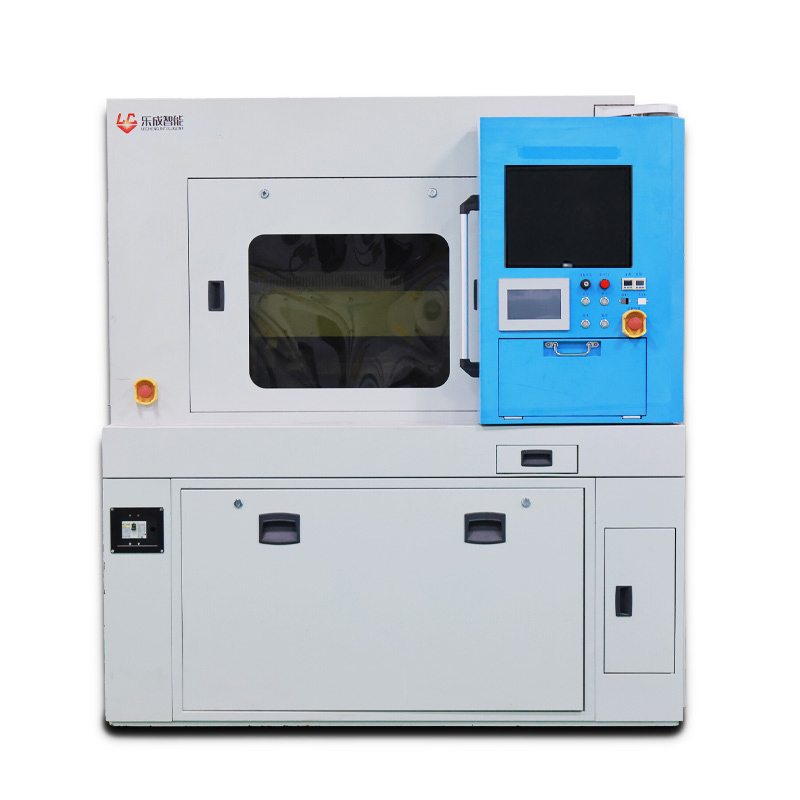
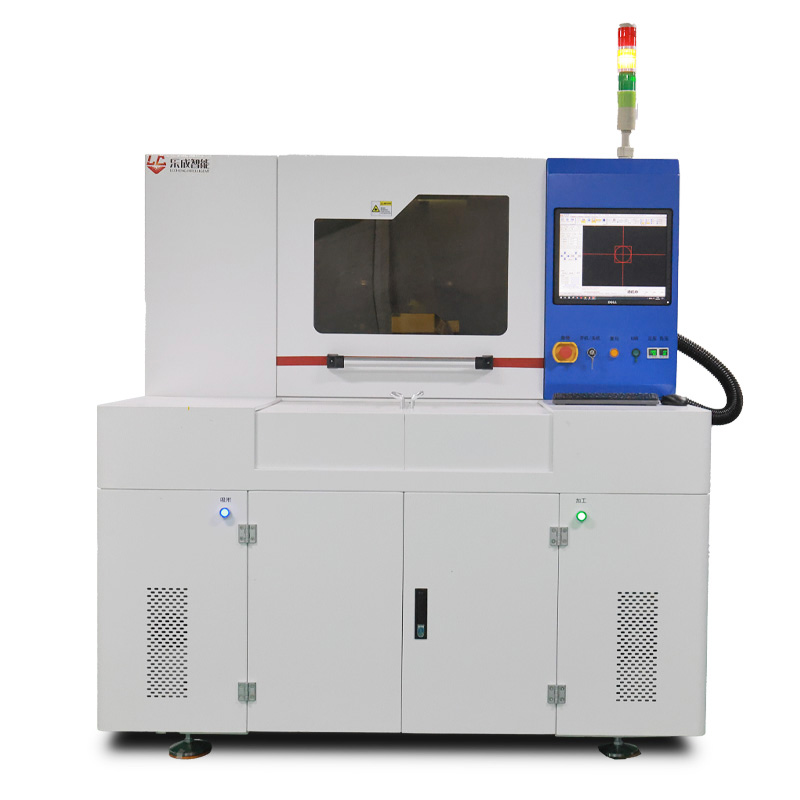
Achieving a kerf width on the scale of a human hair (10–50 microns) is a significant engineering feat. It is a complex interplay of laser parameters, optical design, and material response. The primary determinant is the laser spot size, which is in turn governed by the beam quality (M² factor), wavelength, and focusing optics. Systems from Lecheng Intelligent utilize high-quality fiber lasers or UV lasers with excellent beam profiles, combined with precision F-theta lenses and high-speed galvanometer scanners to deliver the smallest possible focused spot. However, the nominal spot size is just the beginning. The actual kerf is also influenced by the laser pulse energy, repetition rate, and scanning speed. Too much energy or heat input can cause thermal damage and heat-affected zone (HAZ) expansion, widening the kerf beyond the target. Advanced real-time focus tracking systems are crucial to maintain the optimal focal plane on the material surface, compensating for any substrate warp or stage tilt, as even a micron-level defocus can dramatically alter the kerf profile. This meticulous control ensures that the removal is clean, with minimal debris and taper.
Impact on Device Performance and Manufacturing Scalability
The precise control over kerf width has direct and profound implications for both the performance of the photovoltaic device and the economics of its manufacturing. In a perovskite solar module, the space between active cells (the kerf plus any isolation gap) is "dead zone." Minimizing the kerf directly maximizes the active area ratioこれにより、所定のサイズにおけるモジュールの出力が向上します。さらに、均一で狭い切断幅により、セル間(P1、P3)の信頼性の高い電気的絶縁と低抵抗の相互接続(P2)が確保され、これらは高効率化に不可欠です。フィルファクターおよび電圧。生産の観点から、これらのミクロン スケールの特徴を高速かつ再現性高く実現することが、拡張可能な製造維持可能な機器0.01~0.05mmの切り欠き許容範囲大面積基板高スループットで、Lechengのレーザースクライビングシステムのように、ラボスケールのイノベーションからGWレベルの生産これにより、研究開発で実証された精度が工場現場でも忠実に再現され、繊細な実験室プロセスを堅牢で高生産性の工業プロセスへと転換することが可能になります。
レーザー切断幅の制御は、現代の精密製造における基礎的な要素を習得することに他なりません。ペロブスカイト太陽電池の分野では、0.01~0.05mmの安定した切断幅を実現することは、高効率、高信頼性、そして商業的な実現可能性と同義です。これは、高度なレーザー物理学、精密なモーションコントロール、そしてプロセスエンジニアリングの融合を意味します。メーカーにとって、Lecheng社のような高精度を実現する技術への投資は、単に切断を行うためだけのものではなく、太陽エネルギーの未来において競争優位性を確立するための重要な手段なのです。
関連製品および記事リソース
調達比較や技術評価については、関連製品ページや関連記事をご参照ください。